

2026 Hyundai Tucson vs 2026 Toyota RAV4: Finding the best option for you
2026 Hyundai Tucson vs 2026 Toyota RAV4: Finding the best option for you
Posted on March 30, 2026
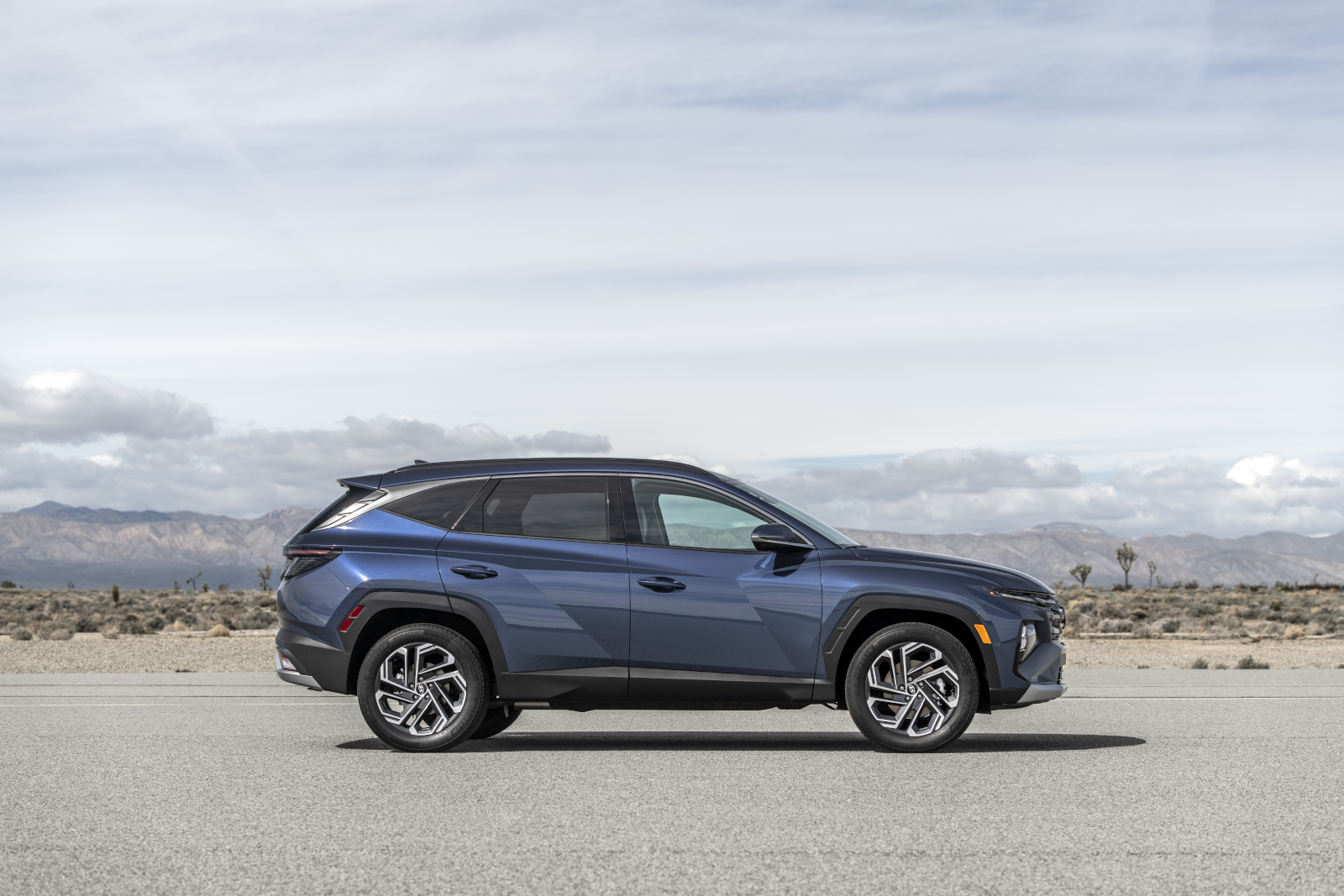
The 2026 Hyundai Tucson answers the compact SUV question with three distinct powertrain options and a cabin designed for Ontario families who refuse to compromise between daily efficiency and weekend capability. The 2026 Toyota RAV4 counters with proven hybrid efficiency and a towing advantage that matters for cottage-goers hauling trailers. For buyers evaluating which SUV earns the driveway spot, the decision comes down to whether powertrain flexibility and cargo versatility outweigh pure fuel economy numbers.
| Feature | 2026 Hyundai Tucson | 2026 Toyota RAV4 |
| Powertrain Options | 2.5L I4, 1.6L Turbo HEV, 1.6L Turbo PHEV | 2.5L Hybrid, 2.5L PHEV |
| Power Range | 187-268 hp | 236-324 hp |
| Torque Range | 178-271 lb-ft | 184 lb-ft |
| Electric Range (PHEV) | 51 km | 80 km |
| Maximum Cargo Volume | 2,119 L | 1,070 L |
Three Powertrains vs Two - Why the Extra Choice Matters
The Tucson lineup delivers powertrain flexibility the RAV4 doesn't match. The base 2.5L Smartstream I4 generates 187 hp and 178 lb-ft across Preferred, XRT, and Preferred with Trend Package trims for buyers who prioritize upfront affordability and conventional fueling. The N Line introduces a 1.6L turbo hybrid producing 231 hp and 271 lb-ft - matching the RAV4's base hybrid output while adding 87 lb-ft of torque for stronger highway passing confidence. The top trim offers both the hybrid and a plug-in variant delivering 268 hp with 51 km of electric-only range, covering typical Guelph-to-Toronto commutes without burning gasoline.
While the RAV4's PHEV trims deliver 80 km of electric range and 324 hp, that powertrain starts at $48,750 in the SE trim - a meaningful jump from the RAV4's $37,500 hybrid base price. The Tucson's three-tier powertrain strategy lets buyers step into electrification gradually, choosing the hybrid or PHEV based on actual charging access and budget rather than forcing an all-or-nothing decision. For Ontario families evaluating their first electrified vehicle, that flexibility removes the pressure to over-invest in range they may not use daily.
Cargo Capacity That Expands When Life Demands It
The Tucson's maximum cargo volume reaches 2,119 L with rear seats folded - nearly double the RAV4's 1,070 L fixed capacity. That difference translates to real-world hauling scenarios: a Tucson swallows a full-size refrigerator from the appliance store, four adults' camping gear for a long weekend in Algonquin, or an entire hockey team's equipment bags without Tetris-level packing. The RAV4's cargo floor handles weekend errands and groceries efficiently, but families who regularly transport furniture, sports equipment, or home renovation materials will notice the constraint.
Behind the second row, the Tucson maintains 902-1,097 L depending on powertrain configuration, keeping daily usability intact while preserving the expansion capability for irregular high-volume loads. The RAV4's consistent 1,070 L works for buyers whose cargo needs stay predictable year-round. For families whose hauling demands fluctuate between school drop-offs and cottage opening weekends, the Tucson's scalability removes the need for a second vehicle or rental truck.
Driver Assistance Technology Built for Ontario Commuting
The Tucson's Forward Collision-Avoidance Assist, Blind-spot Collision Avoidance Assist, and Safe Exit Warning come standard across the lineup, protecting occupants during Highway 401 merges and preventing door-opening collisions in tight downtown Guelph parking lots. The system integrates with Smart Cruise Control with Stop & Go, maintaining following distance through Burlington's morning traffic crawls without driver intervention. Highway Driving Assist adds lane-centring on 400-series highways, reducing fatigue during Toronto airport runs.
While the RAV4 includes Toyota Safety Sense 4.0 with Pre-Collision System and Lane Tracing Assist, the Tucson's Blind View Monitor projects the vehicle's blind spot directly onto the digital cluster when signalling - eliminating the head-turn check during highway lane changes. The Tucson's Remote Smart Parking Assist manoeuvres the vehicle into tight parallel spots using the key fob, a feature Ontario urban drivers gain immediate value from when navigating King Street's angled parking. The RAV4's Panoramic View Monitor provides camera coverage, but the Tucson's haptic steering wheel adds tactile feedback when crossing lane markers, creating a redundant alert system for distracted-driving prevention.
Connectivity and Software That Stays Current
The Tucson's 12.3-inch touchscreen with wireless Apple CarPlay and Android Auto eliminates the cable clutter that accumulates in daily-driver SUVs. The over-the-air software update capability keeps the infotainment system current without dealership visits - a convenience that compounds over a typical five-year ownership cycle as apps and smartphone operating systems evolve. The Bluelink connected vehicle system adds remote start, door lock verification, and stolen vehicle tracking through a smartphone app, features that matter during Ontario winters when pre-warming the cabin from inside the house saves ten minutes of scraping ice.
While the RAV4's 12.9-inch screen offers slightly more display area and includes 5G connectivity for faster data speeds, the Tucson's Digital Key 2 functionality turns a compatible smartphone into a backup key - eliminating lockout scenarios when the physical fob stays in a coat pocket. The Tucson's wireless charging pad keeps devices topped up during the commute without hunting for cables, and the Head-Up Display projects speed and navigation onto the windshield, keeping eyes closer to the road during complex highway interchanges. For families who treat the SUV as a mobile office and entertainment hub, the Tucson's tech integration reduces daily friction points the RAV4's larger screen doesn't address.
Towing Capability for Cottage Country Weekends
The RAV4 handles 1,750-3,500 lbs of trailer weight depending on trim, covering boat launches at Lake Simcoe and utility trailer runs to the dump. That capability matters for Ontario families who own recreational equipment or small campers, where the Tucson's absence of published towing specs creates uncertainty for buyers who need confirmed trailer ratings before purchase.
For families whose hauling needs focus on cargo volume rather than trailer weight - moving furniture, transporting kayaks on the roof, or loading mulch bags for landscaping projects - the Tucson's 2,119 L maximum cargo capacity handles those scenarios without hitching a trailer. The RAV4's towing advantage remains decisive for buyers who regularly pull watercraft or campers, while the Tucson's interior volume serves families who prioritize what fits inside the vehicle over what trails behind it.
The Verdict: Powertrain Choice and Cargo Versatility Win for Ontario Families
For Guelph families evaluating compact SUVs who want the option to step into electrification without committing to full plug-in range immediately, the 2026 Hyundai Tucson delivers three distinct powertrains that scale from conventional efficiency to 51 km of electric-only driving. The cargo capacity that expands to 2,119 L handles furniture hauls and camping trips the RAV4's fixed 1,070 L cannot match, while the advanced driver assistance suite and over-the-air update capability keep the technology current throughout ownership.
While the RAV4 delivers superior fuel economy for high-mileage hybrid drivers and confirmed towing capacity for trailer owners, the Tucson's powertrain flexibility and maximum cargo volume serve the broader range of family transportation scenarios Ontario buyers actually encounter daily - without forcing them to choose between electrification and practicality.
Visit Guelph Hyundai to configure a Tucson that matches your specific powertrain priorities and explore how the three-engine strategy adapts to your driving patterns.